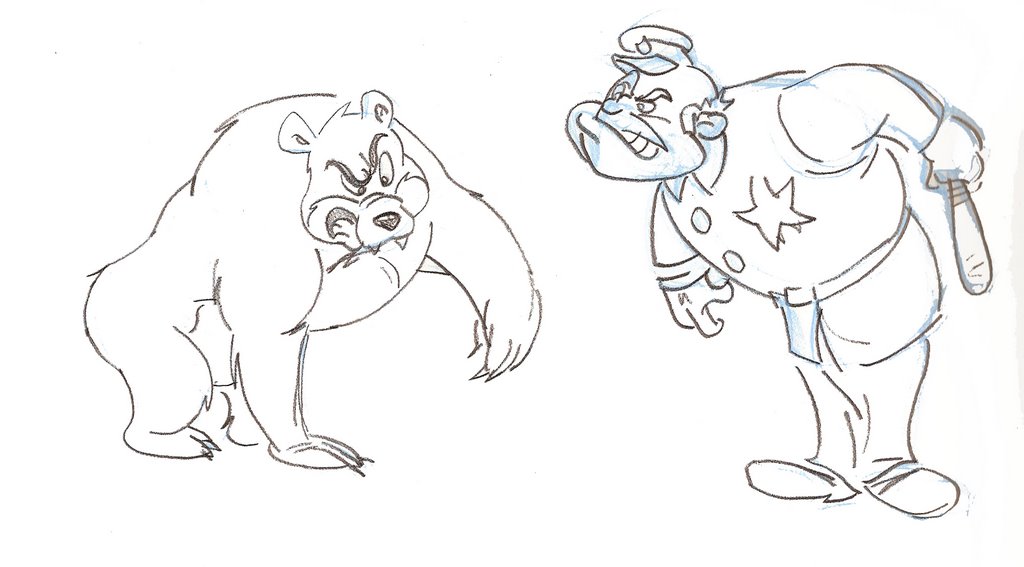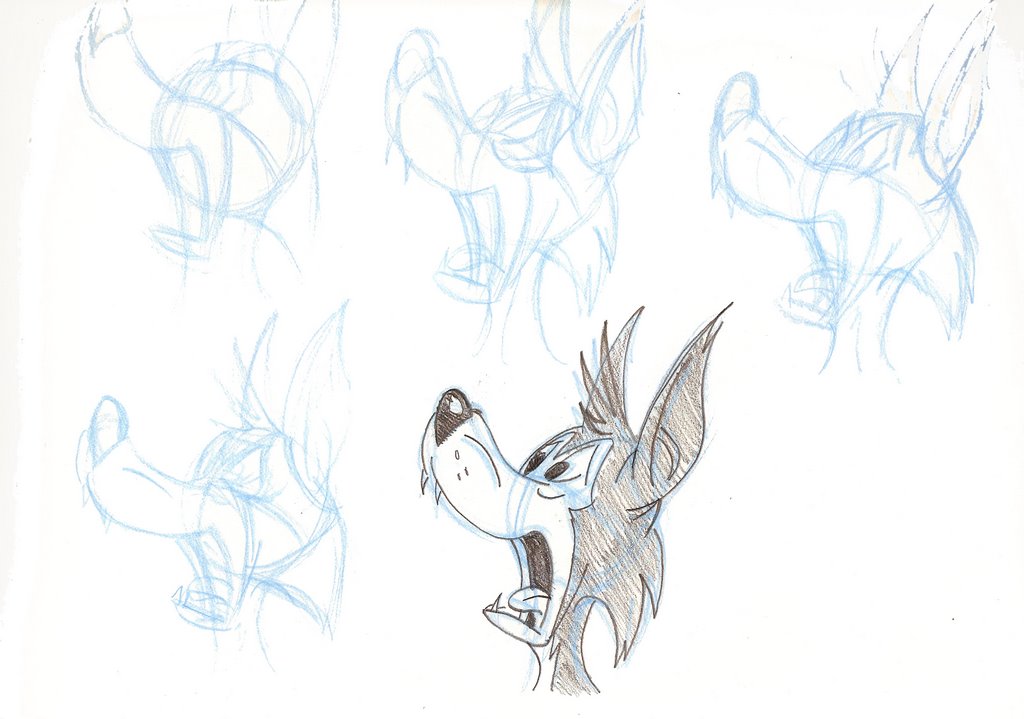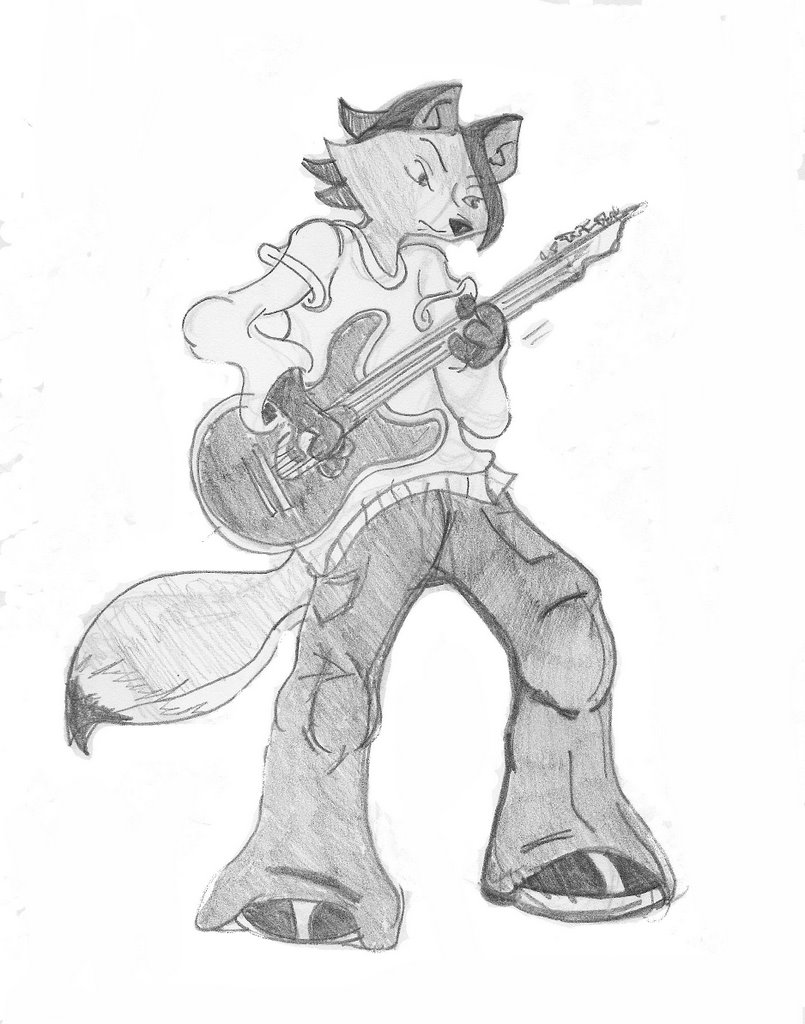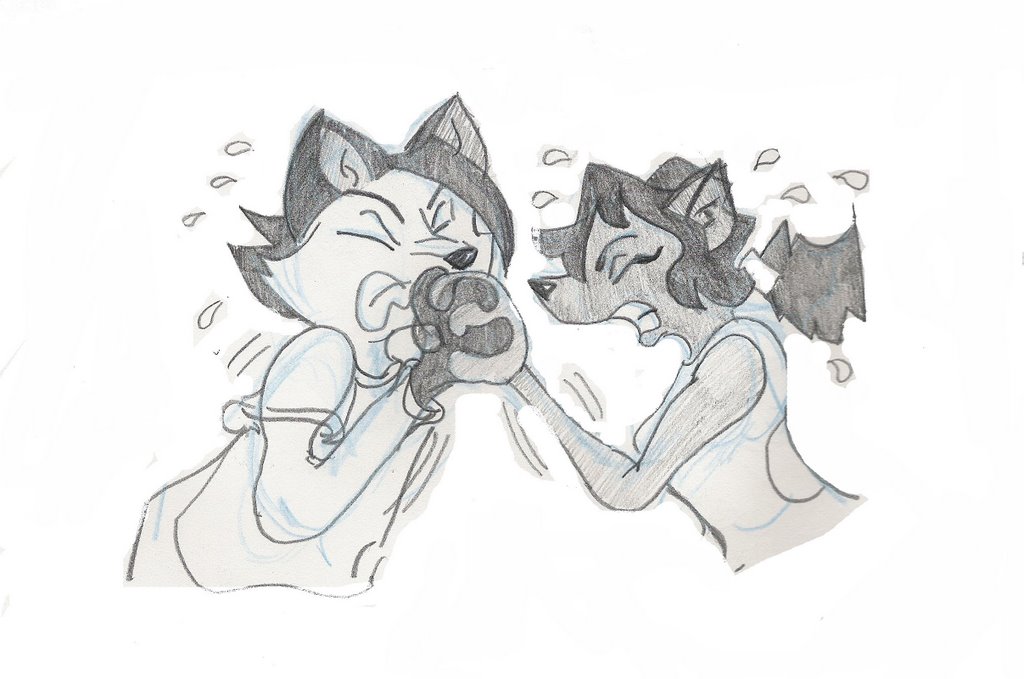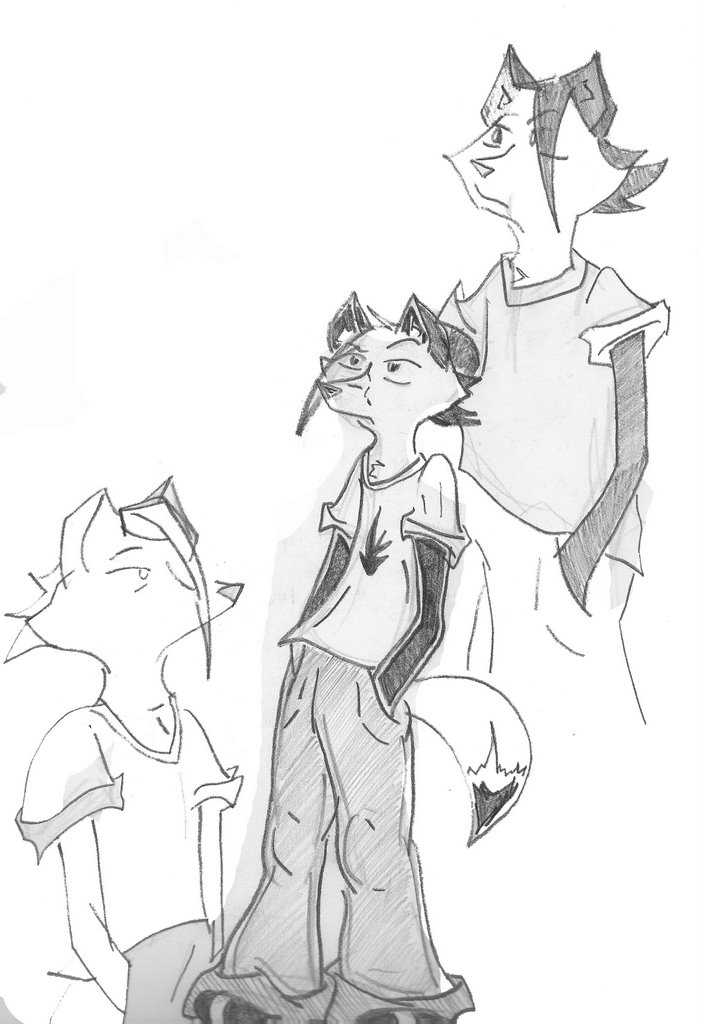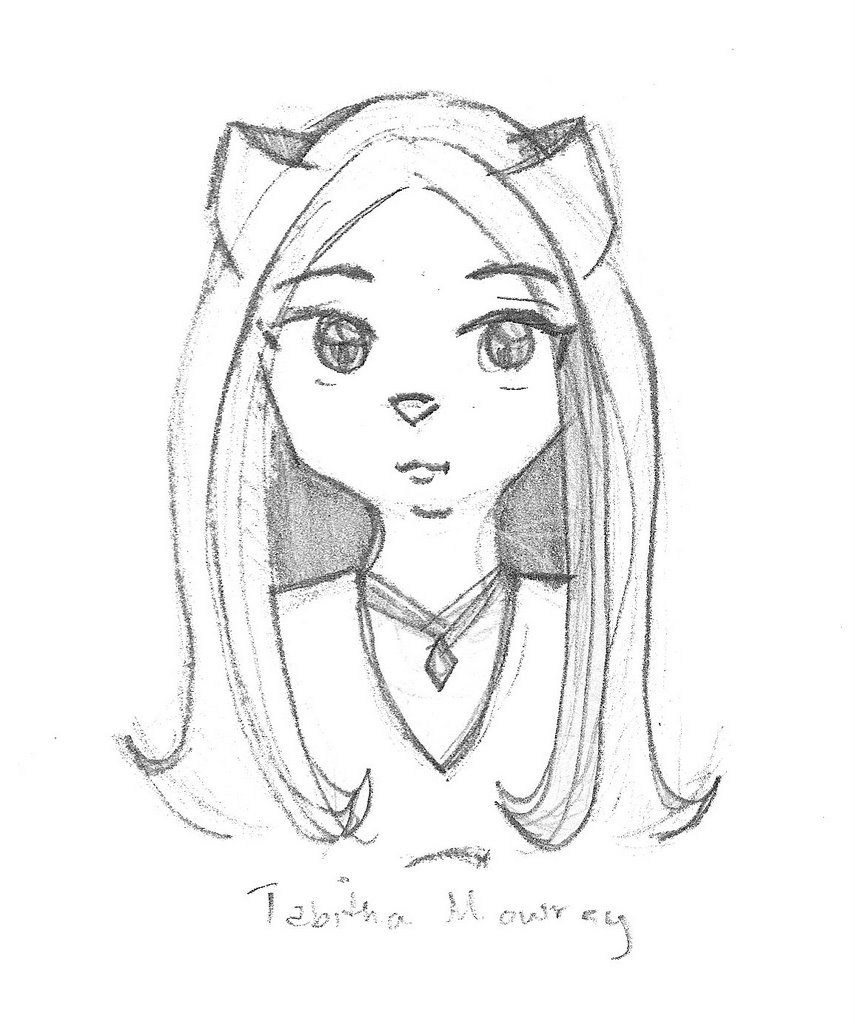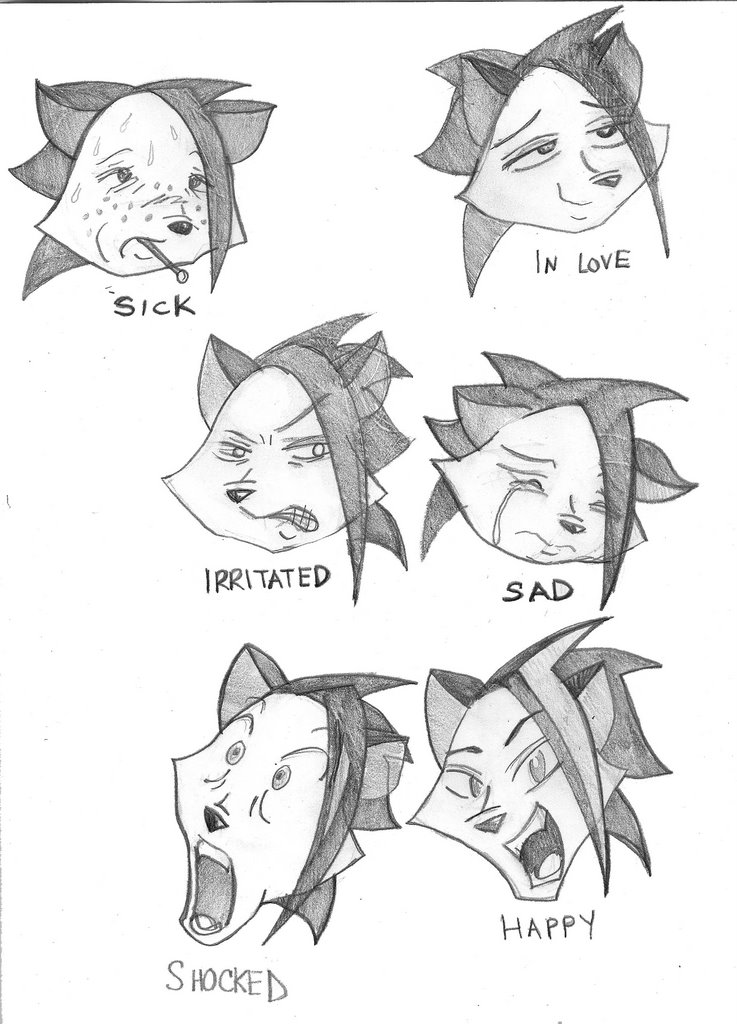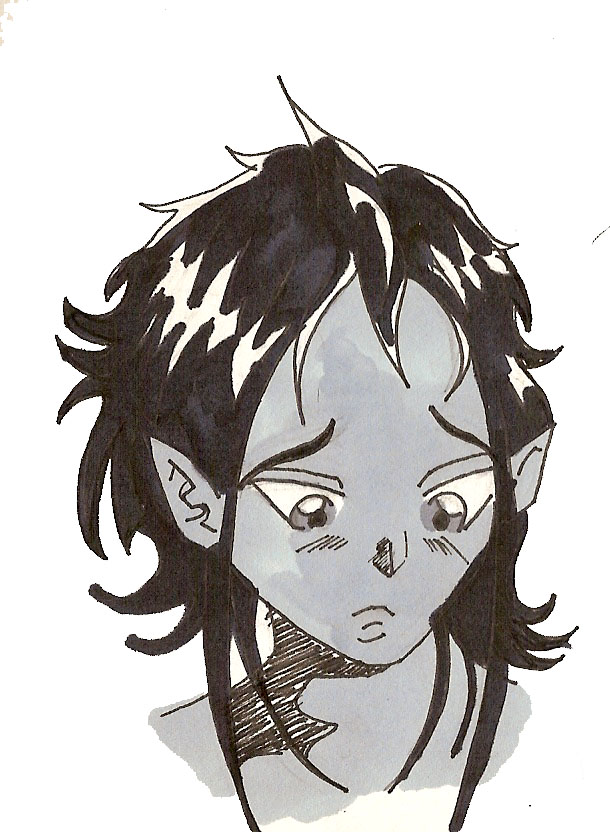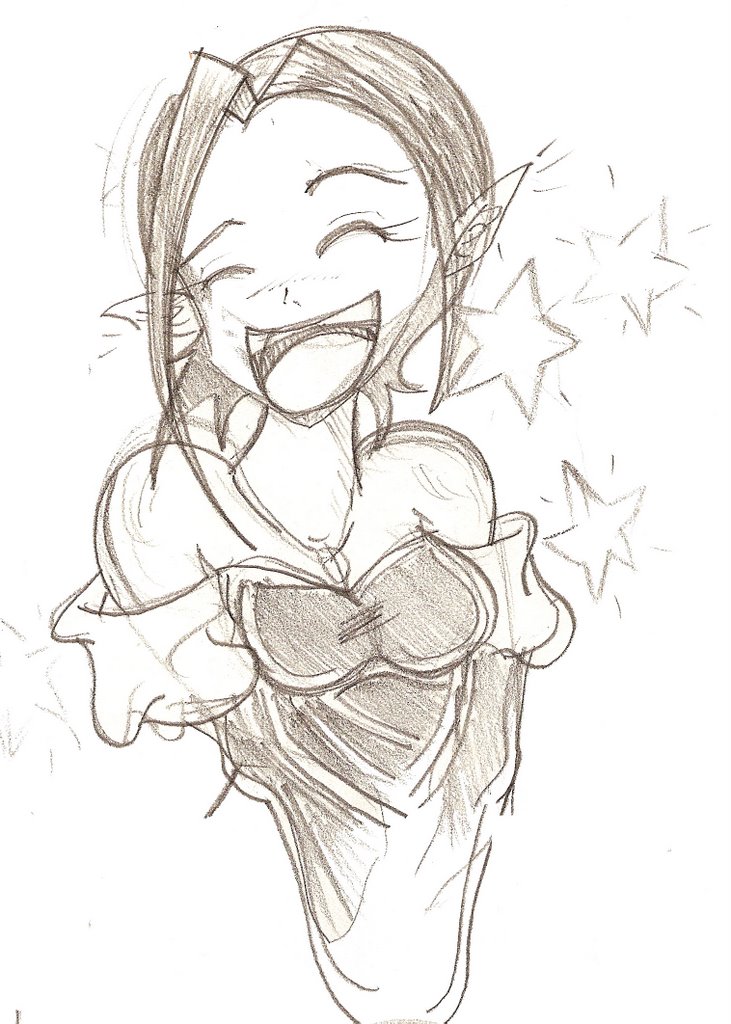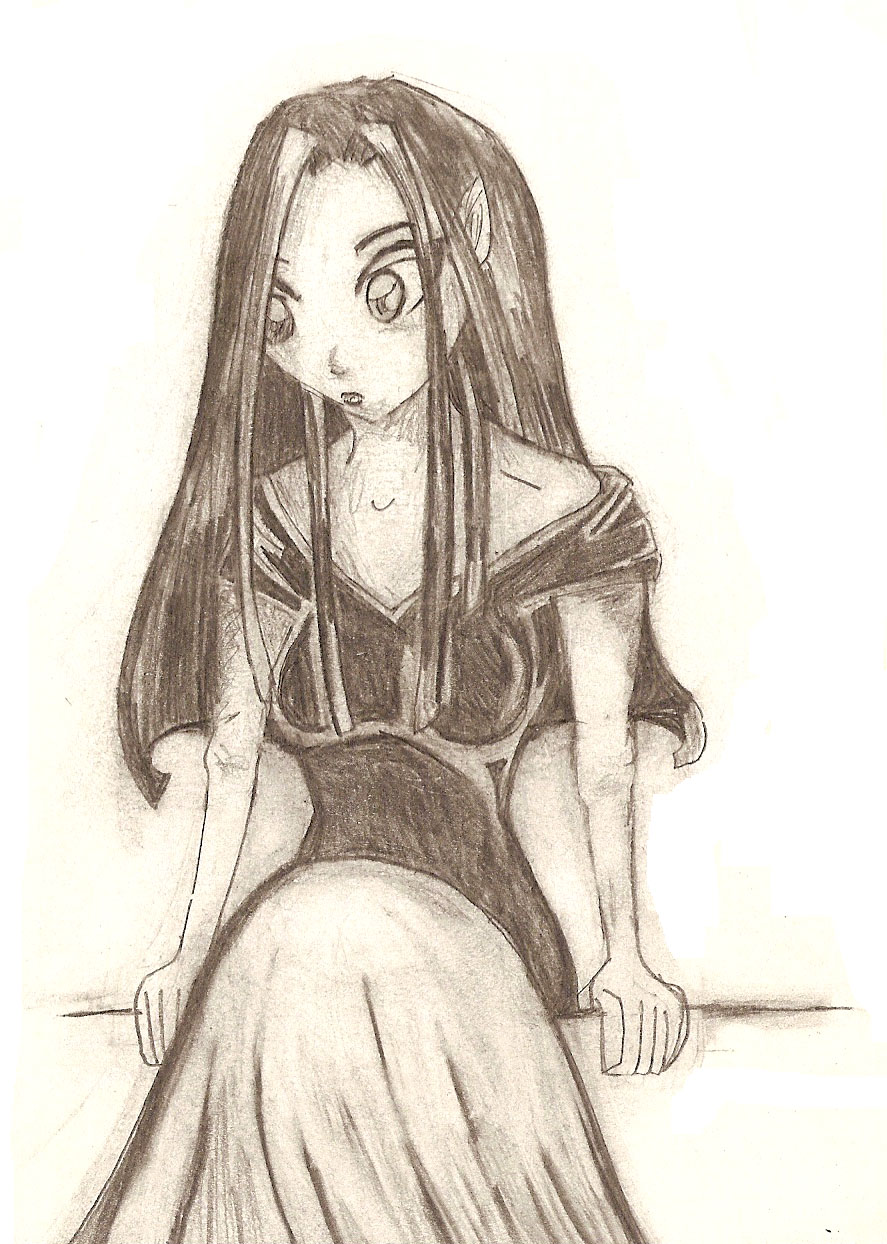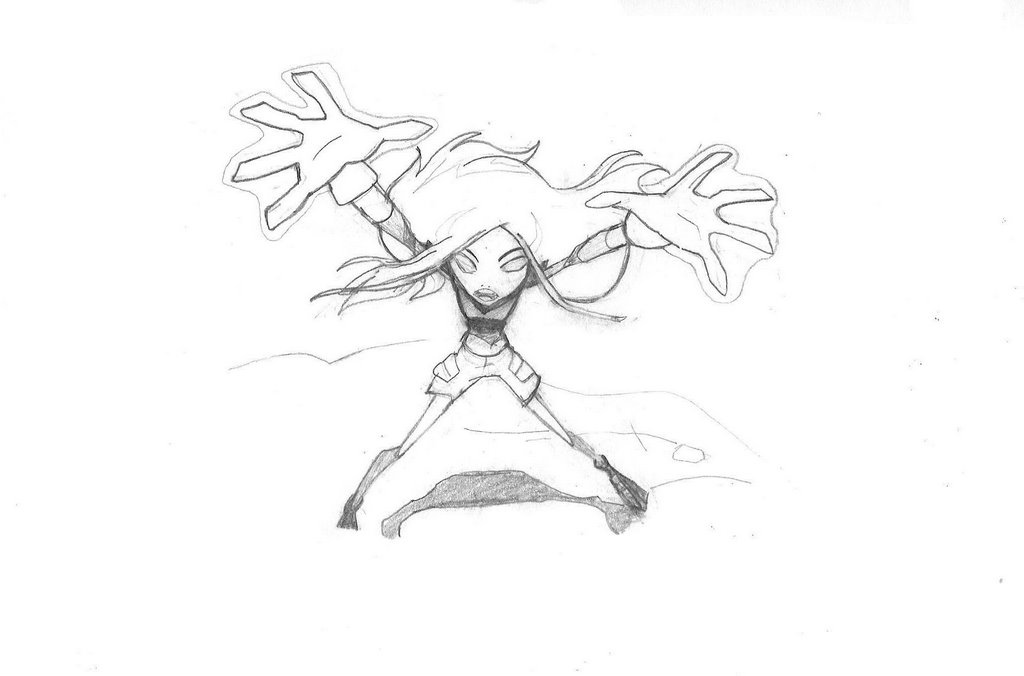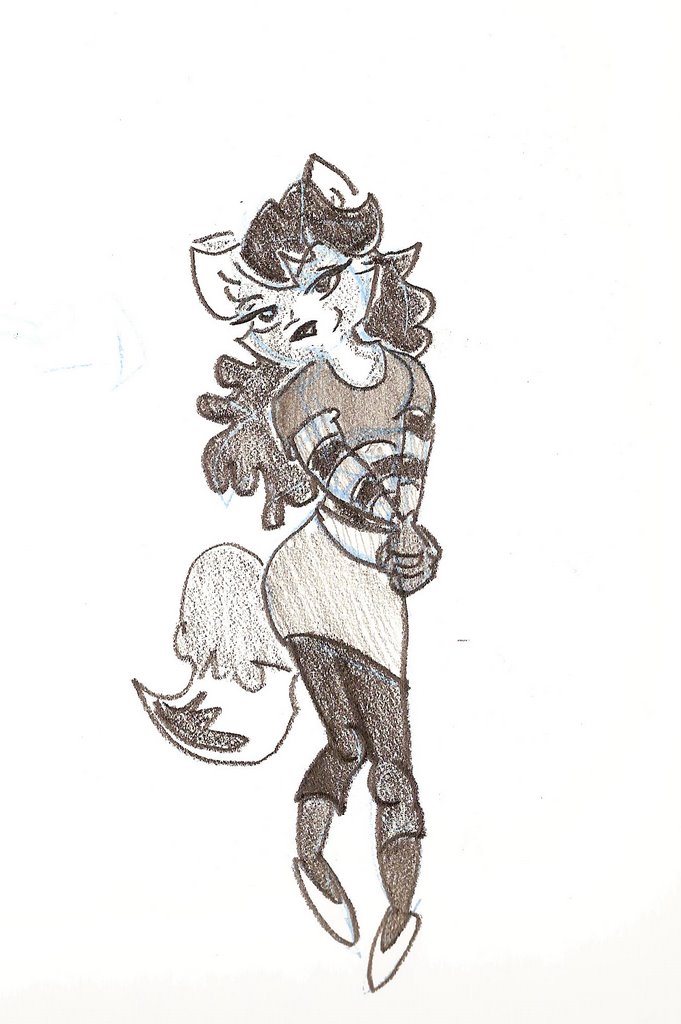
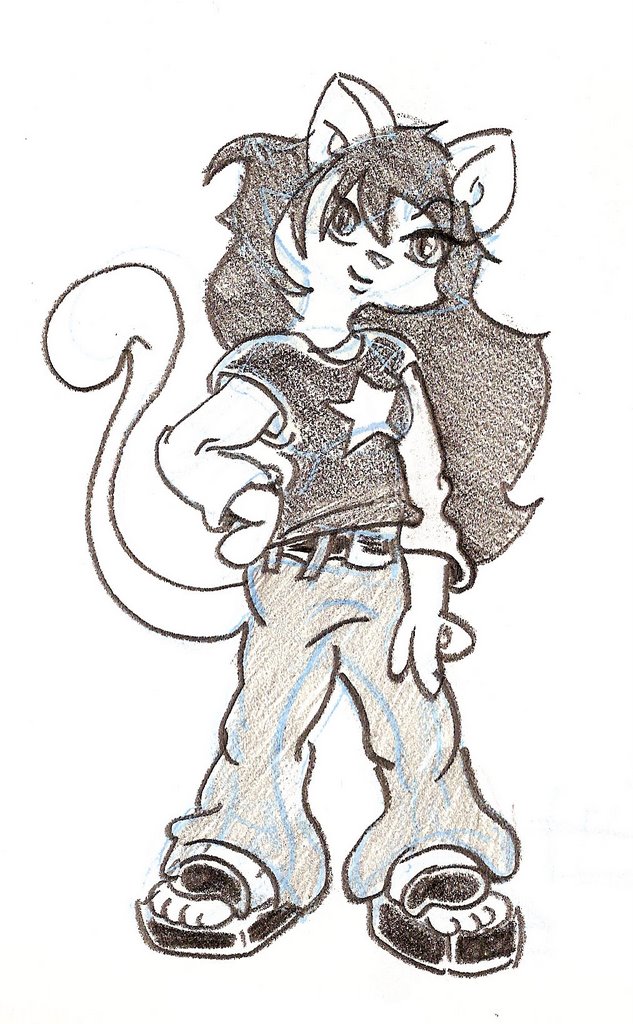
 Here are two drawings, one of Jeanine, the other of Tabby, that I did after practicing Preston's techniques. I like how the drawings are more expressive and looser than my earlier work.
© 2006 Angela Entzminger
Here are two drawings, one of Jeanine, the other of Tabby, that I did after practicing Preston's techniques. I like how the drawings are more expressive and looser than my earlier work.


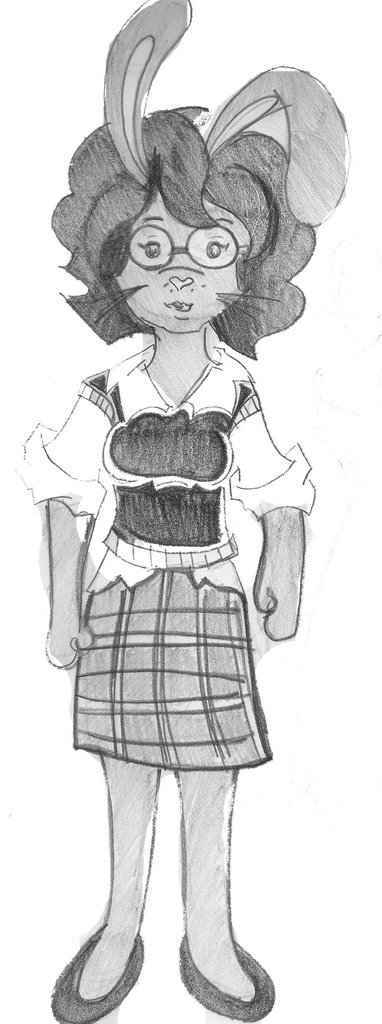
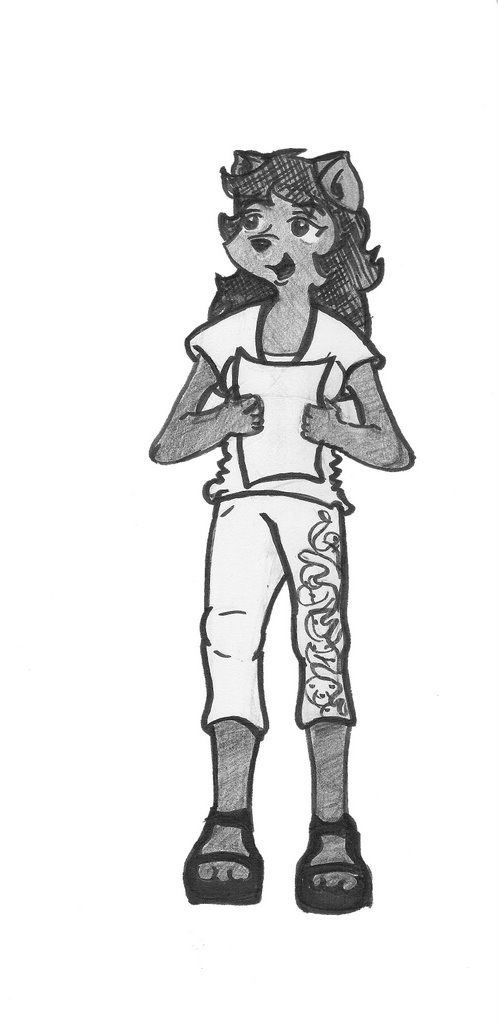
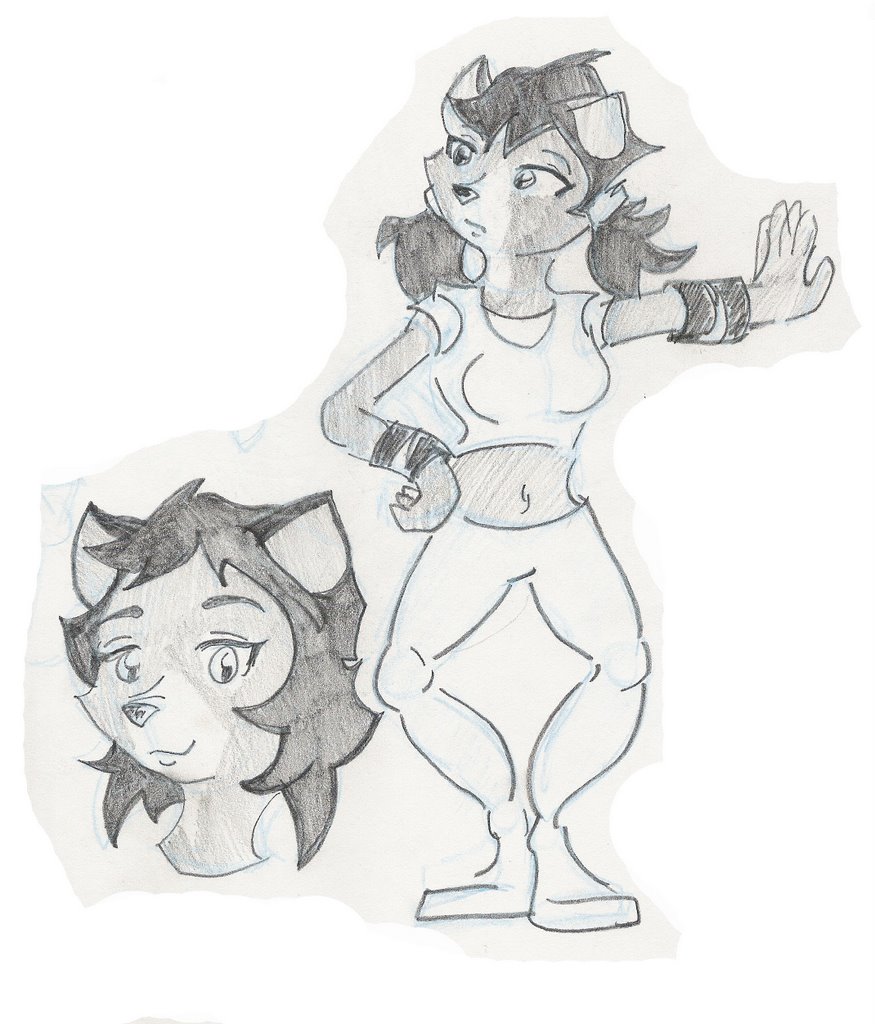
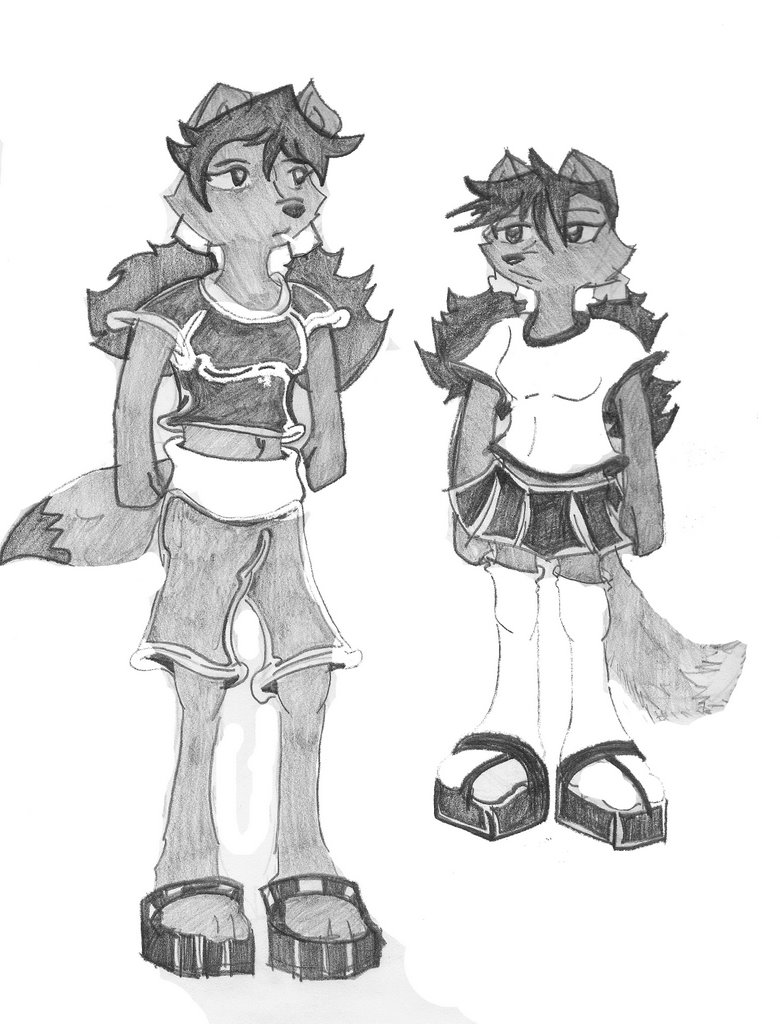 Now Jeanne is an interesting character. She is a combination of a couple people I knew in high school all rolled up into one. She likes to learn but is not a big fan of school and she knows that high school is kind of silly but she gets caught up in the crowd anyway sometimes. I experimented a lot with her, particularly her hair, to figure out how she should look.
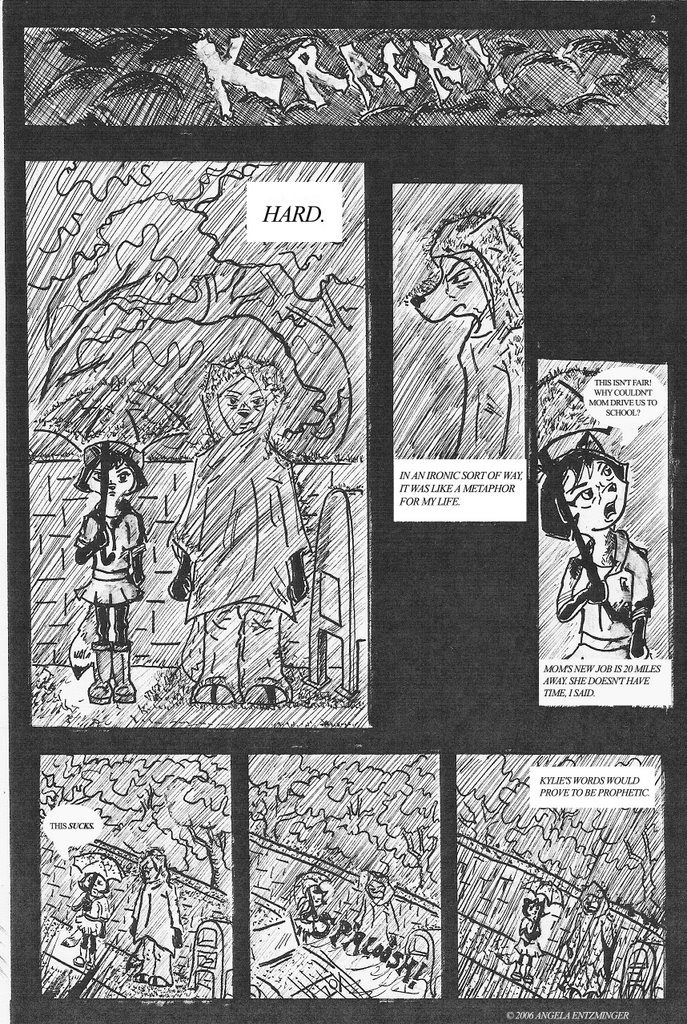
 Here's the first drawing I ever did of Kylie. Her outfit was inspired by 8th grade girls I used to see walking around the mall - lots of little kids in frilly skirts and giant chunky sandals. They all looked like they had leapt out of a "Limited Too" catalog.
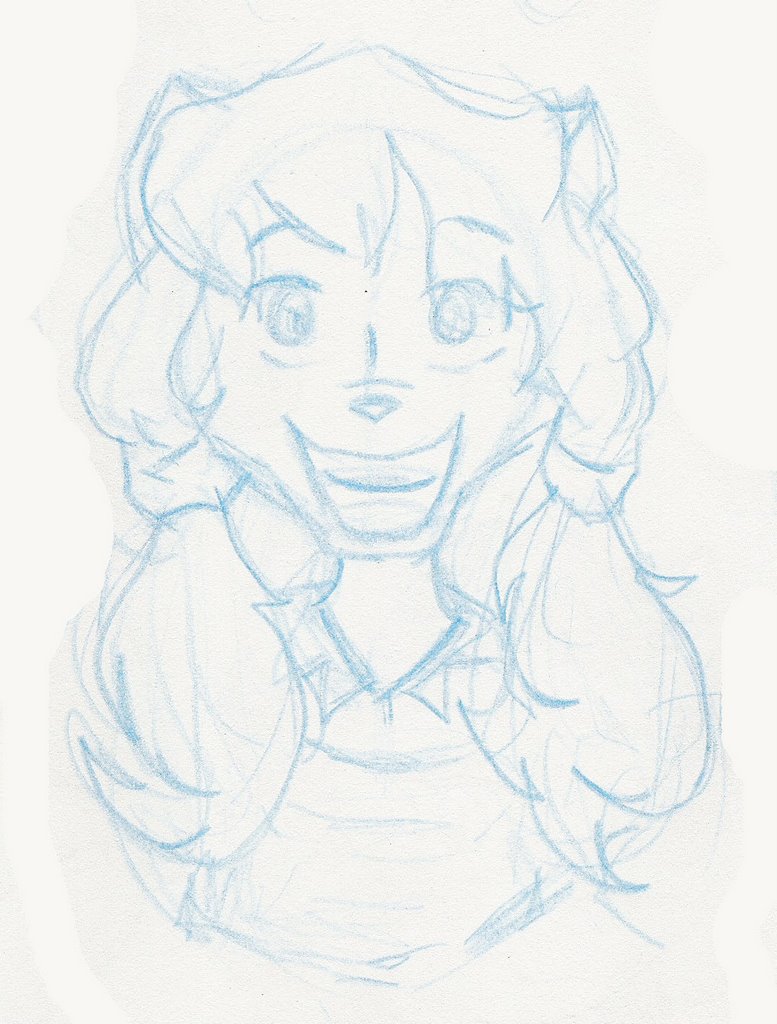 This is a school photo of Susan, Kylie's best friend. In case you're wondering about the color - I use non-photo blue pencils when I'm sketching and then trace over the marks I like with a regular pencil. This works out well because blue pencils are cheap, they don't smudge and the marks don't show up when you make copies at Kinko's.
 I drew Alex in a style inspired by a show on CN called "Code Name: Kids Next Door."
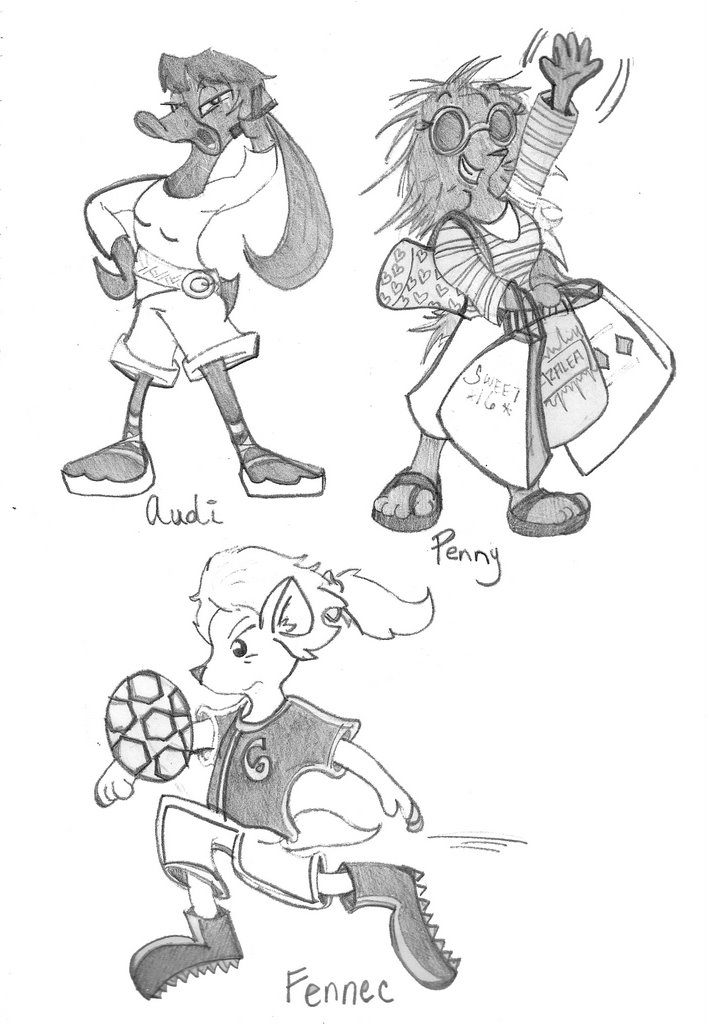
 This is Sora, the hero of KH who fights alongside Donald and Goofy. I really like the design of his shoes.

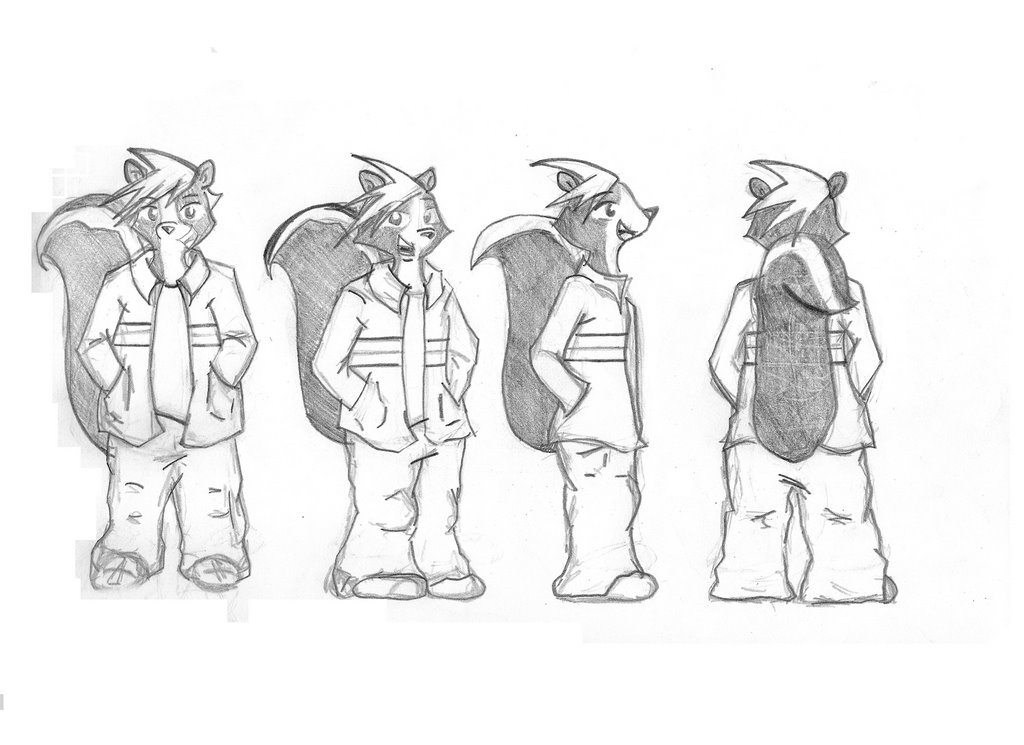
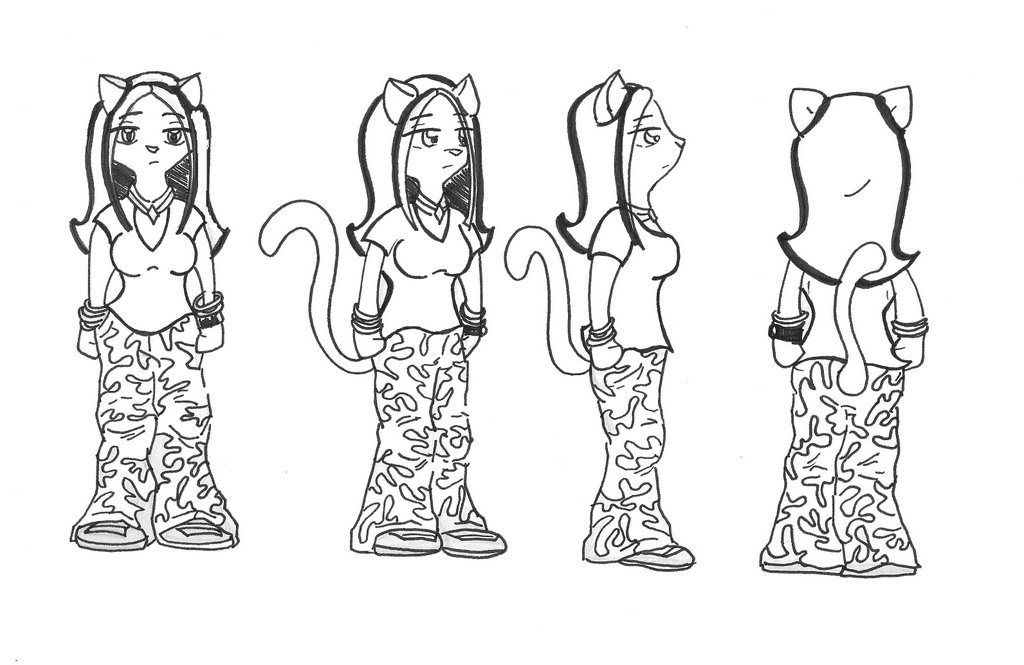 Here is a turnaround of Comet's best friend, Tabitha (Tabby) Mowrey - a 13-year-old math prodigy currently in her sophomore year in high school. Tabby has always been special but she really wants is to be a "normal" girl like the ones she sees in class and on TV. Being an outcast of sorts (in the academic realm at least) enables her to get along well with the guys.
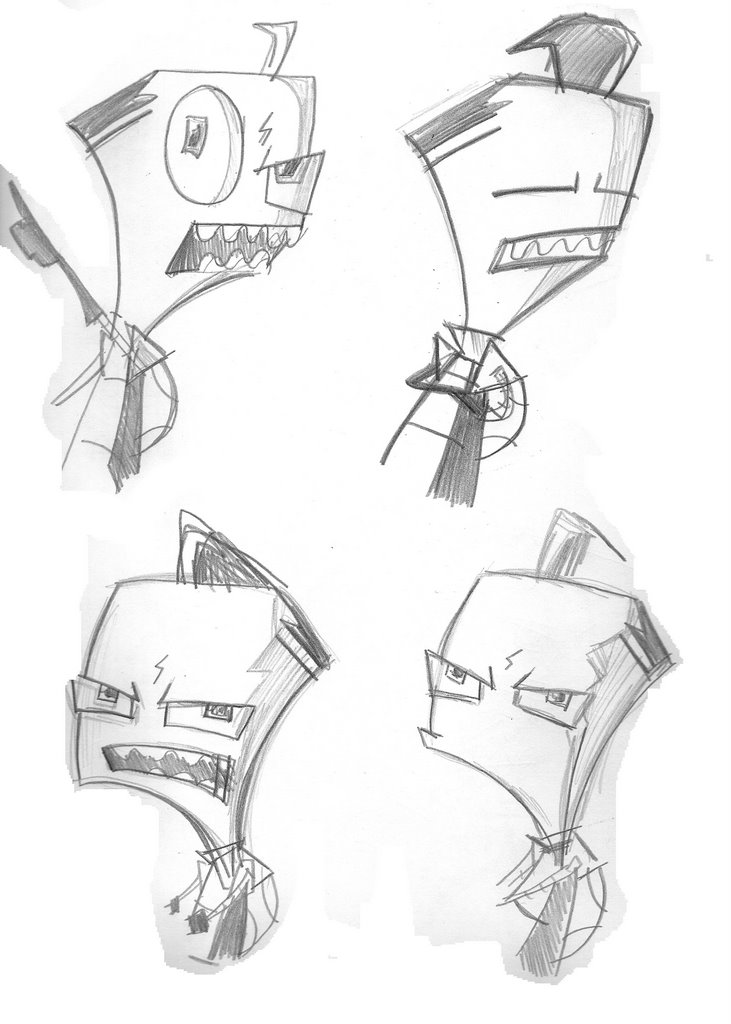 Here is Zim from the episode "Door to Door."
This week we discuss one of the tools of the trade when creating a live action or animated film: the storyboard. A storyboard, according to Webster's Dictionary, is a series of panels on which a set of sketches is arranged depicting consecutively the important changes of scenes and action in a series of shots. These sketches help the filmmaker and his or her crew figure out what shots work or don't work in the scene, clarify sequences and figure out new and innovative ways to make the scene more interesting. Most importantly, it gives the filmmaker a sense of direction so that they know what and how they should film, thus enabling them to save time and money.
Below are some storyboards I found on the web that show the creative storyboard process at work. The first site is a sequence from the box office smash "Superman Returns" and includes informative commentary by Director Bryan Singer. The second site is a series of boards by Frank Forte from the episode "Public Enemies" from Nickelodeon's hit Nicktoon "Danny Phantom," created by Butch Hartman. The third site features several excellent storyboards from the film "V for Vendetta," based on the comic of the same name by Alan Moore and David Lloyd. The fourth site features boards from the episode "The Beach," drawn by animator and comic artist Scott Shaw for the Fox hit "The Simpsons," created by Matt Groening.
"Superman Returns"
http://www.nytimes.com/packages/html/movies/20060627_SUPERMAN_FEATURE/blocker.html
"Danny Phantom"
http://www.frankforte.com/storyboardDP.html
"V for Vendetta"
http://vforvendetta.warnerbros.com/cmp/concepts.html
"The Simpsons"
http://www.shawcartoons.com/gallery/storyboards/aae
If you are interested in learning even more about storyboards, particularly for animation, check out Don Bluth's The Art of Storyboard, available online and in bookstores nationwide.
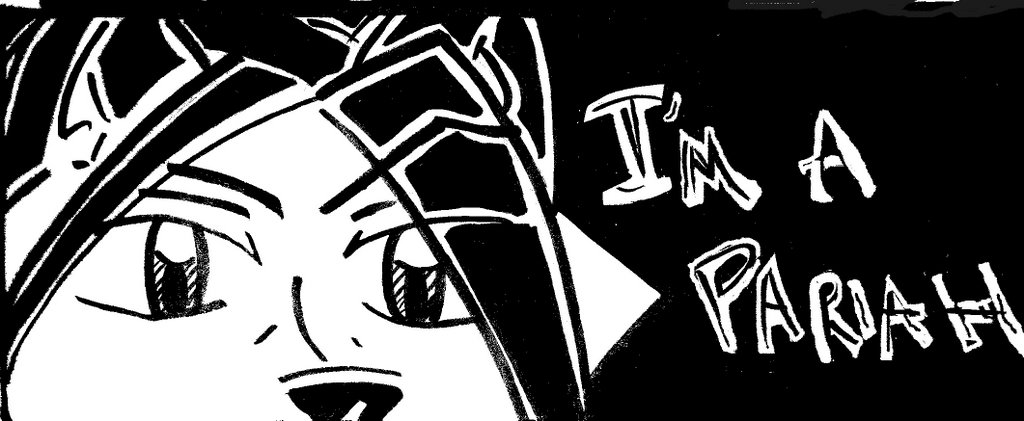
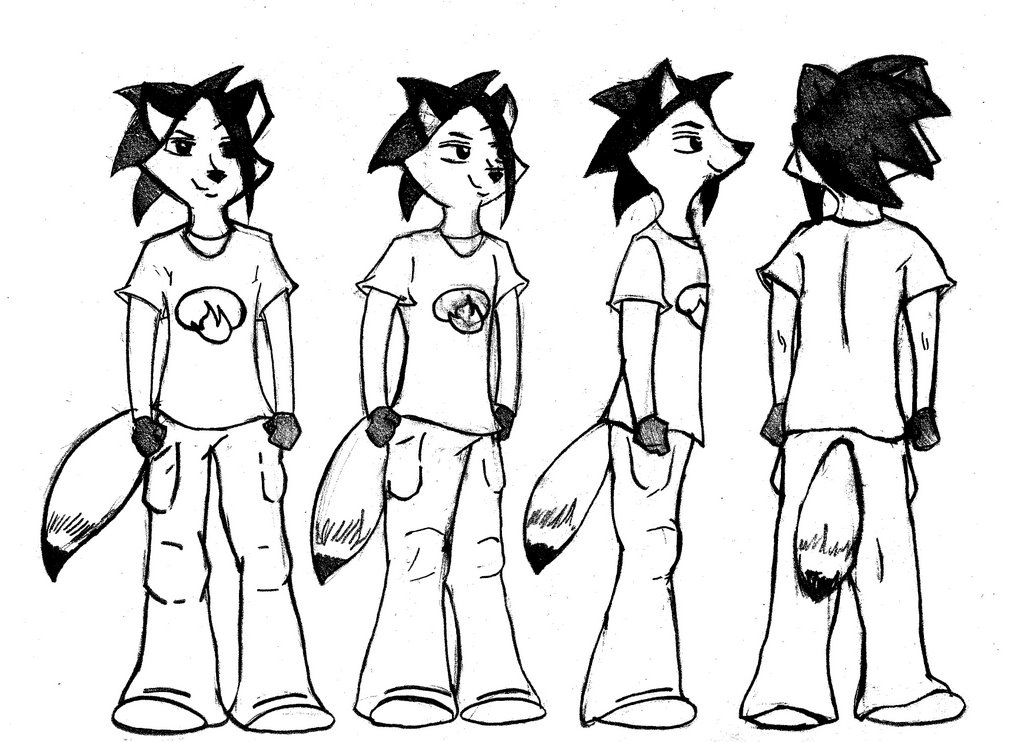 Alex is an independent thinker and all around social pariah. After falling from grace with the cool kids, Alex rebels against the high school norm to find his true self.
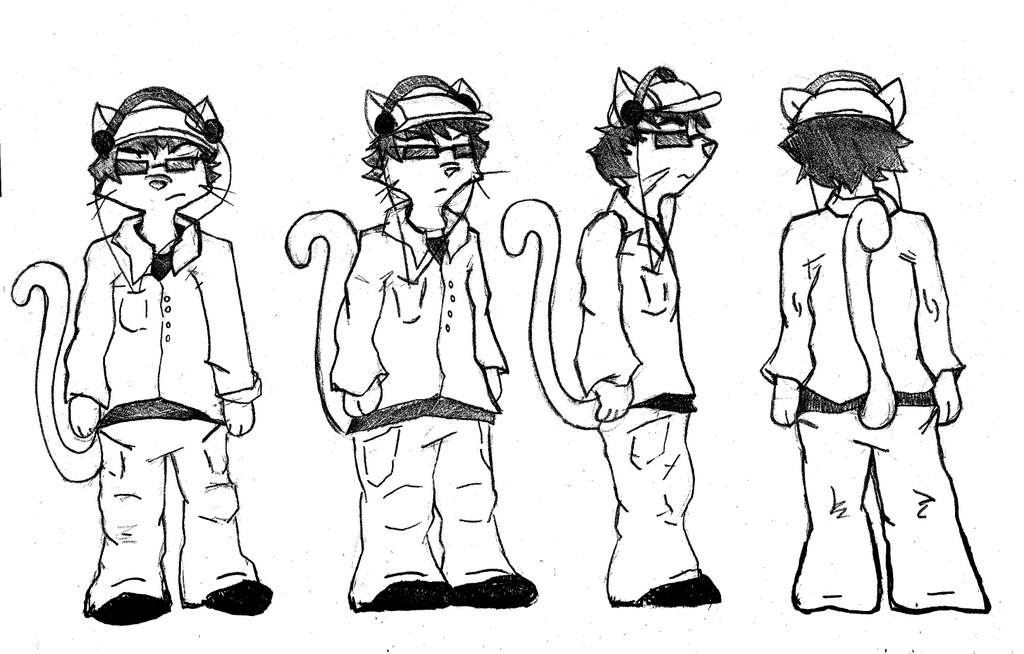 Jeff Cat is Alex's morose British friend who abhors all things popular and loves indie bands that no one has ever heard of.